
How to Reduce Side Effects of Deep Cleansing Facials
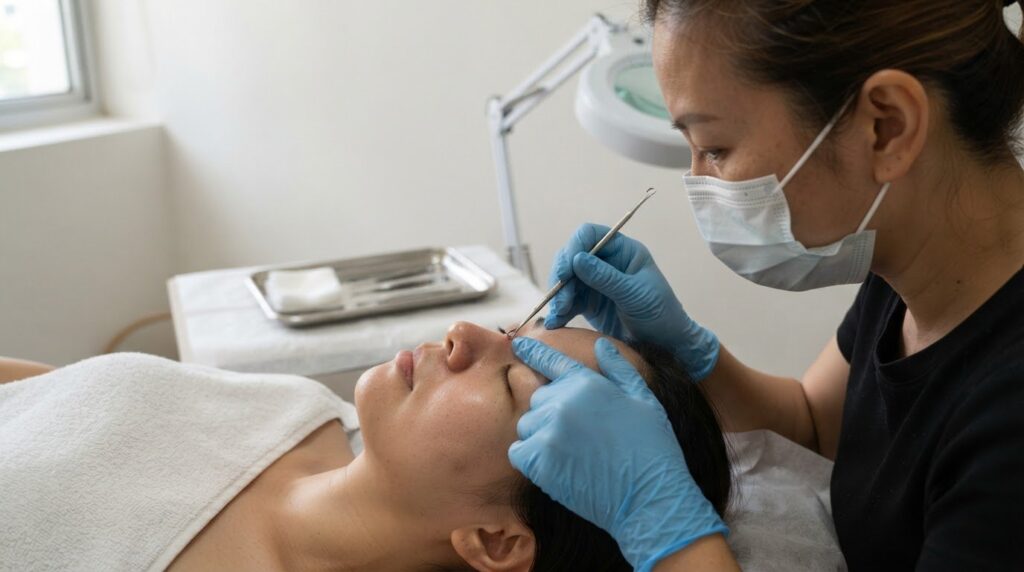
A deep cleanse should leave your skin feeling cared for, not overwhelmed. The side effects of deep cleansing facials are easier to reduce when the treatment suits your skin and you share any sensitivities, allergies, or recent skin treatments beforehand. Afterward, avoid direct sun exposure and heavy makeup for at least 48 hours, and postpone a facial if your skin is sunburned or freshly tanned.
It’s understandable to want clearer-looking skin without lingering redness, irritation, or breakouts. This guide explains how to prepare for a deep cleansing facial, what to avoid during recovery, and when the treatment may not suit your skin. You’ll also learn how treatment choices and gentle aftercare can support a calmer recovery.
Key Takeaways
- Share your skin concerns, allergies, medications, and recent treatments before a facial so the approach can be tailored to your skin.
- Active, inflamed breakouts, irritation, open wounds, sunburn, and a fresh tan may be reasons to postpone treatment.
- Gentle extractions and properly sanitised tools help reduce the risk of skin injury and post-treatment breakouts.
- Give your skin time to recover by avoiding direct sun, heavy makeup, and harsh skincare products after treatment.
- For a facial plan shaped around your skin goals, explore how Devotion Beautique’s ReProgram Facial or Remedial Facial may fit your needs.
Assessing skin type, medical history and allergies
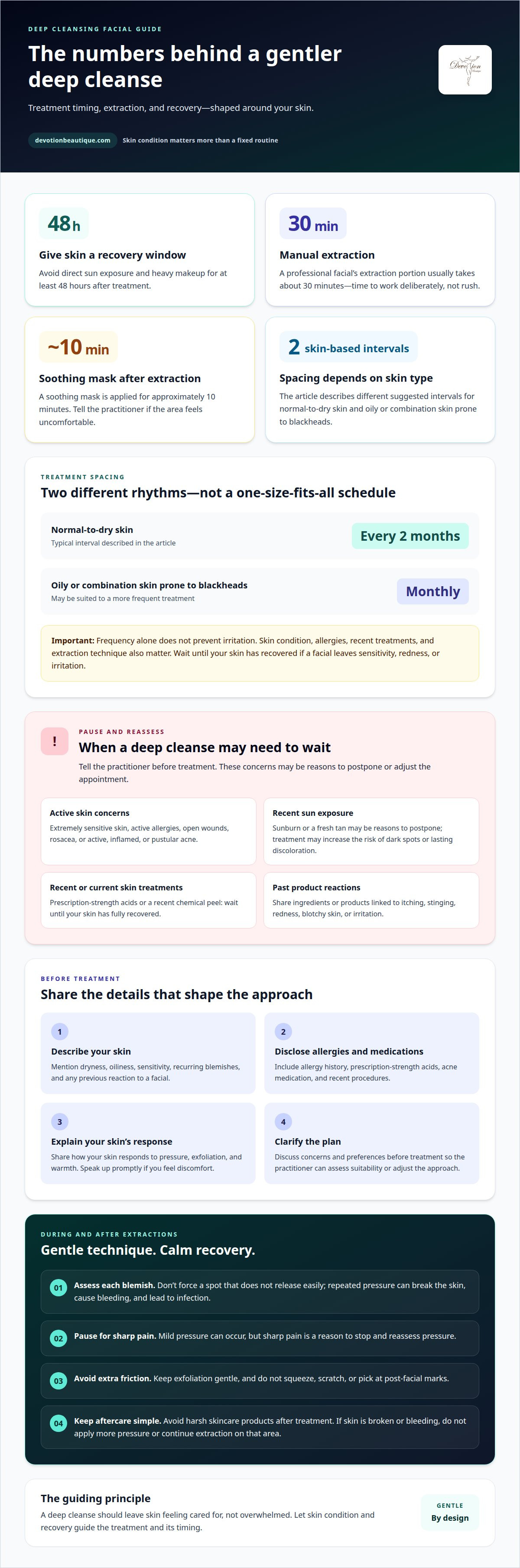
For normal-to-dry skin, a deep cleansing facial is typically spaced every two months. Oily or combination skin prone to blackheads may be suited to monthly treatments. Frequency alone doesn’t prevent irritation: skin condition, allergies, recent treatments, and extraction technique also matter.
- Before treatment, clearly describe your skin type and concerns. Mention dryness, oiliness, sensitivity, recurring blemishes, and any previous reaction to a facial. For example, skin that feels tight after cleansing may need a gentler approach than oily skin with blackheads. This assessment helps tailor the treatment to your skin instead of relying on a standard routine.
- Disclose active skin conditions before extractions begin. Deep cleansing facials are not recommended for extremely sensitive skin, active allergies, open wounds, or rosacea. Active, inflamed, or pustular acne is also a reason to avoid extraction, which may spread bacteria and worsen a breakout. If these concerns apply, ask to postpone or adjust the treatment.
- Describe any history of allergic reactions, including the products or ingredients involved. Reactions to post-treatment beauty products can cause redness, blotchy skin, or irritation after a facial. Share whether a product has caused itching, stinging, or visible patches. This information can guide product choices and help reduce avoidable sensitivity during and after treatment.
- Mention prescription-strength acids, acne medication, and recent procedures during the pre-treatment discussion. Skin treated with prescription-strength acids may need to recover fully before a deep cleanse. The same applies after a chemical peel. A fresh tan or sunburn is another reason to postpone, as treatment may increase the risk of dark spots or lasting discoloration.
- Describe how your skin usually responds to pressure, exfoliation, and warmth. Incorrect pressure during exfoliation or extraction can contribute to redness, blotchy skin, or irritation after a facial. If you feel discomfort during treatment, say so promptly rather than waiting for the next step. The practitioner can reassess the pressure and avoid continuing an irritating technique.
- Let your skin’s response guide the spacing between future appointments. Normal-to-dry skin is typically suited to a deep cleansing facial every two months, while oily or combination skin prone to blackheads may be suited to monthly treatments. If sensitivity, redness, or irritation follows a facial, wait until your skin has recovered before scheduling another.
Discussing your skin is a chance to check suitability and share treatment preferences. Before a facial, practitioners should assess your skin type and ask about skin issues and allergies. Describe your current concerns and relevant allergy history clearly, so the practitioner can consider them when deciding whether to proceed or adjust the appointment. Clarify any uncertainty before treatment rather than assuming your skin is ready.
If you use prescription-strength acids or recently had a chemical peel, wait until your skin has fully recovered before having a deep cleansing facial. Tell the practitioner before the session and wait until recovery is complete. Including this information in the assessment helps ensure the planned treatment reflects your skin’s current condition.
Scarring and damage from extractions
- Let the practitioner assess each blemish before extraction. A blackhead and a tender, inflamed spot are different concerns. Don’t force a blemish that doesn’t release easily. Repeated pressure can break the skin, causing a cut or bleeding. Careless extractions can damage skin, and that damage can lead to infection.
- Ask for a measured approach to manual extraction. Manual extraction usually takes about 30 minutes during a professional deep cleansing facial. That time allows the practitioner to work deliberately rather than rushing across the face. The aim is not to extract every visible pore. Focused treatment of suitable congestion helps avoid unnecessary pressure on unaffected areas.
- Speak up if an extraction feels sharply painful. Mild pressure can occur, but sharp pain is a reason to pause and reassess. Tell the practitioner exactly where you feel discomfort, such as beside your nose or along your jawline. Continuing despite pain can make it harder to notice when pressure is injuring the skin.
- Keep exfoliation gentle around congested areas. Exfoliation and extraction both place demands on the skin, so using forceful techniques together can leave it more vulnerable to visible damage. For example, a rough scrub over a recently extracted spot may aggravate the area. Choose a controlled approach instead of trying to clear congestion through friction.
- Leave post-facial marks alone. Don’t squeeze, scratch, or pick at a tender spot after treatment. Fingers and nails can reopen a small break in the skin, while repeated touching may further irritate the area. Keep your routine simple and avoid applying harsh products directly to freshly extracted skin. If a mark is bleeding, don’t apply further pressure.
- Pay attention to broken skin after your appointment. Cuts or bleeding indicate that the skin’s surface has been disrupted, and skin damage can lead to infection. Avoid further extraction on that area. If the site appears increasingly irritated or concerning, seek advice from an appropriate healthcare professional rather than trying another home treatment. For a gentler, tailored facial approach, explore personalised facial care.
After extraction, give the skin a chance to settle instead of trying to remove every remaining mark. During a professional deep cleansing facial, a soothing mask is applied for approximately 10 minutes after extraction. Let the practitioner know if the area feels uncomfortable while the mask is on, and avoid rubbing freshly treated skin when it is removed. A calm, gentle finish is preferable to adding more friction or pressure to an area that has already been handled.
Redness, blotchy skin or irritation can follow incorrect pressure during exfoliation or extraction, and allergic reactions to post-treatment beauty products can also cause these effects. If irritation develops, do not respond by scrubbing or squeezing the affected area; stop using a product that seems to trigger a reaction and seek appropriate advice if symptoms are concerning. The steaming step of a professional deep cleansing facial usually lasts 5 to 10 minutes. Steaming is part of the treatment, not a reason to force an extraction: pressure should remain measured, and the practitioner should reassess if the skin becomes uncomfortable or visibly irritated.
Preventing post-facial breakouts
- Ensure tools are sterilised before your session begins. Facial tools should be sterilised before each session to reduce the risk of bacteria-related breakouts. Steam machines and improperly sterilised tools can harbour bacteria that may contribute to post-facial breakouts. A clean treatment setup matters, especially when tools will contact pores after exfoliation or extraction. Raise concerns before treatment starts if equipment appears unclean.
- Keep your hands away from freshly treated skin. Touching your face after a facial can transfer oils and bacteria from your fingers. Avoid squeezing or picking at a small bump, even if a pore looks newly cleared. Use a clean towel to dry your face, for example, and avoid resting your chin in your hands during recovery.
- Give your skin a simple recovery window. For a day or two after a spa facial, avoid makeup and other skincare products to give your skin time to heal. Set aside foundation, concealer, exfoliants, and serums rather than layering products onto freshly treated skin. Resume your usual routine gradually as your skin settles.
- Skip direct sun exposure and heavy makeup for 48 hours. Plan indoor activities where practical, and avoid applying a full-coverage base immediately after treatment. In Singapore’s bright conditions, choose shade and limit time in direct sunlight during this recovery period. Avoiding makeup also reduces product buildup on skin that may feel sensitive after cleansing.
- Pause harsh acids and heavy, oily creams for a day or two. Products with strong exfoliating acids can add to irritation after a facial. Rich, oily creams may also feel too occlusive on freshly cleansed skin. Set these products aside temporarily instead of combining them with the treatment’s exfoliation. Keep your post-facial routine simple during the first day or two.
- Schedule around important makeup occasions. Avoid booking a facial within three days of an event where wearing makeup is essential. A wedding, formal dinner, or work function may call for foundation before your skin has had time to settle. Choose a date that allows for the recommended recovery period rather than relying on makeup to cover visible irritation.
- Watch for changes as you restart your routine. Reintroduce familiar products one at a time after the initial recovery period. For example, don’t restart an acid exfoliant and a heavy cream on the same evening. If a product is followed by new redness, irritation, or breakouts, stop layering products and keep your routine simple while your skin recovers.
What are the common side effects of deep cleansing facials?
- Notice redness, blotchy patches, or irritation after treatment. These reactions can follow incorrect pressure during exfoliation or extraction. An allergic reaction to a post-treatment beauty product can also cause them. Note where redness appears, such as across the cheeks or around the nose, and whether a particular product was applied there. Share these details before another facial.
- Pay attention to how your skin feels during exfoliation. If rubbing or pressure feels uncomfortable, speak up so the technique can be reassessed. For example, tell the practitioner if one cheek feels more sensitive than the other. Continuing with pressure that irritates the skin may worsen visible redness or blotchiness after the appointment.
- Describe new irritation precisely. Distinguish a warm, flushed appearance from itchy patches or stinging after a product. These details can help identify whether the reaction followed exfoliation, extraction, or product application. Mention when you first noticed it and which areas changed. A clear description is more useful than simply saying your face feels uncomfortable.
- Don’t treat every post-facial bump as congestion. Breakouts after a facial may be related to bacteria from facial steam machines or tools that weren’t properly sterilised. Avoid squeezing new bumps, which can further irritate the skin. If breakouts follow a session, note where they appear and mention the change before arranging another treatment.
- Watch for cuts or bleeding around extracted pores. Careless extractions can injure the skin, and skin damage can lead to infection. Don’t press or pick at an area that has started bleeding. If you notice broken skin, tell the practitioner and avoid further extraction there. The location and appearance can help clarify what happened during treatment.
- Postpone treatment if your skin is sunburned or freshly tanned. A deep cleansing facial on recently exposed skin may increase the risk of dark spots or lasting discoloration. For example, reschedule after a beach day if your face is visibly sunburned. Avoiding treatment in this situation helps prevent adding exfoliation or extraction to skin that is already affected.
- Keep a brief record of reactions before your next appointment. Write down the facial date, areas affected, products used, and symptoms such as redness or itching. If the same reaction follows a particular product or technique, share that pattern before treatment. This gives the practitioner specific information to adjust the approach and reduce repeated irritation.
Are deep cleansing facials safe during pregnancy or while using retinoids or acne medication?
- Tell the practitioner if you’re pregnant before treatment choices are made. Deep cleansing facials are generally considered safe during pregnancy, but hormonal changes can make skin more prone to melasma. Milder products or a more superficial treatment may be suggested. Mention new pigmentation or increased sensitivity alongside your pregnancy, so the approach reflects your current skin condition.
- Share every retinoid and acne medication you use. Name prescription products and topical treatments during the pre-facial assessment. Include how you use them and whether your skin feels dry, irritated, or sensitive. This gives the practitioner relevant context before exfoliation or extraction. Don’t leave out a product just because you apply it at home rather than take it orally.
- Disclose prescription-strength acids before exfoliation. Skin treated with prescription-strength acids should recover fully before a deep cleansing facial. Explain which areas receive the product and describe any current dryness or irritation. For example, if your cheeks feel tight after applying an acid, mention it before the facial begins. The treatment can then be reconsidered in light of your skin’s condition.
- Include recent chemical peels in your treatment history. Wait until your skin has fully recovered after a chemical peel before having a deep cleanse. Tell the practitioner when the peel took place and whether sensitivity or visible irritation remains. Don’t assume that a smooth appearance means your skin has recovered; describe how it feels during cleansing and product application.
- Separate medication concerns from general facial preferences. A preference for a relaxing treatment isn’t a substitute for disclosing prescription skincare. State the medication or product name, then describe your skin’s response, such as dryness after use or stinging during cleansing. These details help distinguish a routine preference from a concern that could affect exfoliation, extraction, or product selection.
- Choose a gentler approach when pregnancy changes your skin. If pigmentation or sensitivity has become more noticeable, discuss milder products or a more superficial facial. For example, a treatment focused on comfort rather than intensive extraction may better suit your current concerns. The priority is adapting the facial to how your skin is responding, not following a fixed routine.
- Discuss your skin goals before booking your next facial. Share pregnancy, retinoid use, acne medication, prescription-strength acids, and recent peels in the same conversation. This creates a clearer picture of possible sensitivities and recovery needs. To explore a facial approach shaped around your skin concerns, discuss personalised facial care.
Devotion Beautique
Devotion Beautique offers personalised facial programmes that take your skin concerns and response to treatment into account. If you’re weighing whether a deep cleanse suits your skin, its Remedial Facial and ReProgram Facial provide options within a personalised programme. A discussion can take account of sensitivity, past reactions, and your skincare goals, rather than treating every complexion the same way.
Share what you’ve noticed after previous facials, including irritation, breakouts, or discomfort during extractions. That context can help shape a more considered approach to ongoing skincare. Contact Devotion Beautique to discuss your skin concerns and facial care options.
Make your next facial choice with care
Your skin’s response can guide a more thoughtful approach to future treatments. Rather than treating each appointment as a reset, consider what your complexion needs now and how it has responded to past care. This perspective can help you discuss treatment intensity, product sensitivity, and whether to proceed or allow more recovery time.
Understanding the side effects of deep cleansing facials is a starting point, not a reason to ignore changes in your skin. If a reaction feels unusual or persists, seek appropriate professional advice before scheduling another facial. For personalised guidance on facial care shaped around your skin concerns, contact Devotion Beautique. A considered next step can help you feel more confident about caring for your complexion.
Frequently Asked Questions
How long does redness or irritation last after a deep cleansing facial?
Redness or irritation can appear after exfoliation, extraction, or a reaction to a post-treatment product. Since recovery time varies, note whether the affected area is settling or becoming more uncomfortable. Record the products used and where redness appears. If irritation persists or worsens, seek appropriate healthcare advice before arranging another facial.
Can deep cleansing facials cause breakouts, skin purging, or infection?
Breakouts can follow a facial, and bacteria from facial steam machines or improperly sterilised tools may contribute. Damaged skin can also become infected. A breakout alone doesn’t establish that your skin is “purging”; note where bumps appear and whether there’s broken skin. Avoid squeezing them, and seek healthcare advice if you’re concerned about possible infection.
What are the risks of extractions, steaming, and exfoliation during a facial?
Excessive pressure during extraction or exfoliation can cause redness, blotchiness, irritation, cuts, or bleeding. Skin damage can lead to infection. Facial steam machines may harbour bacteria if they aren’t properly maintained. Tell the practitioner if a technique feels uncomfortable and ask them to pause. This allows the treatment to be reassessed before further pressure or exfoliation affects the area.
Who should avoid deep cleansing facials, including people with rosacea, eczema, or acne?
Deep cleansing facials aren’t recommended for people with rosacea, extremely sensitive skin, active allergies, or open wounds. People with active, inflamed, or pustular acne should avoid extraction, which can spread bacteria and worsen breakouts. Eczema alone isn’t identified as a blanket reason to avoid treatment; disclose it, especially if your skin is open or irritated. Also mention recent peels or prescription-strength acids.
How can you reduce side effects and care for skin after a deep cleansing facial?
Keep aftercare gentle: avoid direct sun and heavy makeup for at least 48 hours, and pause harsh acids and heavy, oily creams for a day or two. A professional facial’s final step uses broad-spectrum sunscreen with SPF 30 or higher. Avoid scheduling a treatment within three days of an event requiring makeup. Share any reaction before your next facial so care can be adjusted.