
Hydradermabrasion vs Microdermabrasion: Results and Suitability
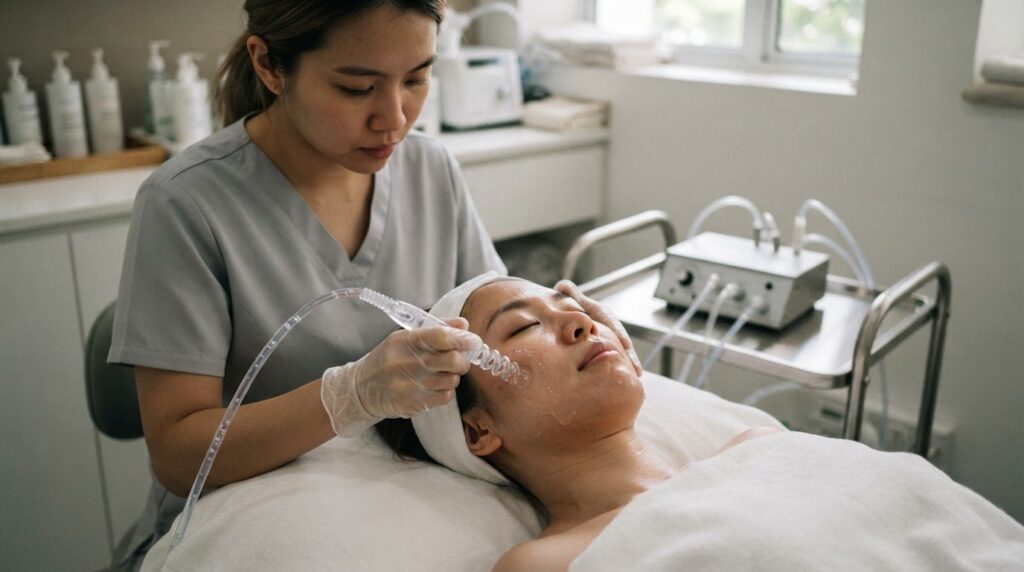
A smoother, brighter-looking complexion may appear after one hydradermabrasion session, while longer-term changes can take more time. If you’re asking what a hydradermabrasion facial is, it’s a non-invasive treatment that exfoliates the skin with water-based technology and gentle suction while infusing hydrating serums. The experience is designed to refresh the skin without the crystal-based exfoliation used in microdermabrasion.
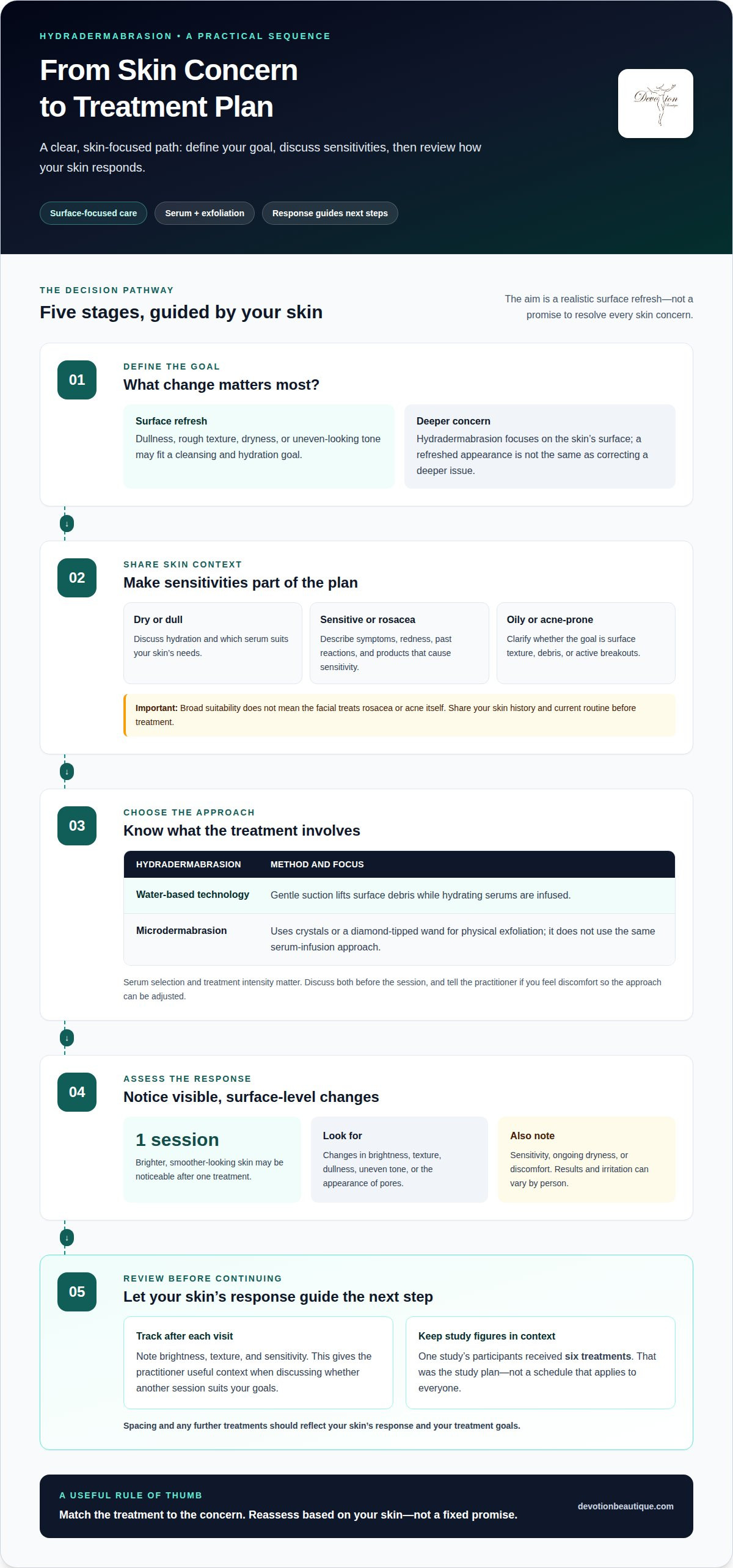
It’s natural to want a clear sense of what a facial can achieve, how soon results may show, and whether it suits your skin. This guide explains what a hydradermabrasion facial is, how it works, what may affect visible results, and possible side effects to consider before choosing a treatment. You’ll also find a comparison with microdermabrasion, including how each approach exfoliates and which skin concerns it may address. Use these differences to decide which treatment better fits your comfort and complexion goals.
Key Takeaways
- Brighter, smoother-looking skin may be noticeable after one hydradermabrasion session, while visible changes can vary with your skin concerns and treatment goals.
- Hydradermabrasion uses water-based exfoliation and gentle suction to lift away surface debris while infusing hydrating serums.
- Microdermabrasion exfoliates with crystals or a diamond-tipped wand, so the two treatments differ in how they renew the skin’s surface.
- Skin type and sensitivity can help guide your choice; hydradermabrasion is described as an option for a range of complexions and skin colours.
- Understanding the possible benefits, side effects and aftercare can help you decide which approach better fits your complexion goals.
Are there any side effects?
A hydradermabrasion facial can leave skin looking brighter and smoother after one session. It may also make pores appear smaller and reduce the look of dullness and uneven tone. These are visible surface benefits, not a promise that every concern will disappear. A refreshed appearance, for example, is different from correcting a deeper skin issue.
Exfoliation removes dead skin cells, while serum infusion supports hydration. Your skin’s response depends on factors such as sensitivity, treatment intensity, and the serum selected for your concerns. A comfortable experience does not guarantee an absence of irritation. Discuss your skin history and current routine before treatment so the approach can be tailored to you.
Results also depend on consistency. In a hydradermabrasion facial study, participants received six treatments, according to the study authors. That describes the study’s treatment plan, not a schedule that applies to everyone. A practitioner can consider how your skin responds after each session when discussing whether further treatments align with your goals.
| Option | Potential benefit | Key consideration |
|---|---|---|
| One session | Brighter, smoother-looking skin | Useful for noticing an immediate surface refresh |
| Repeated treatments | Ongoing attention to dullness and uneven tone | Spacing should reflect skin response and goals |
| Serum selected for concerns | Hydration alongside exfoliation | Formula should suit your skin’s needs |
Choose a treatment by matching it to your main concern, then review how your skin responds before continuing.
Possible side effects deserve attention, even with a non-invasive facial. Exfoliation and suction act on the skin’s surface, and individual responses can vary with sensitivity and treatment settings. Serum choice matters too: a formula that supports hydration for one person may not suit another’s routine. Share relevant sensitivities and the products you use at home before your session. If you feel discomfort during treatment, tell the practitioner so the approach can be adjusted.
For a more reputable clinic experience in Singapore, look for a clear explanation of the treatment steps, serum choice, and aftercare. A responsible practitioner should discuss your skin concerns before starting, explain realistic surface-level benefits, and avoid promising that one session will resolve every issue. You should understand what the treatment involves and how your comfort will be monitored.
After each visit, note changes such as brightness, texture, or sensitivity. This simple record gives the practitioner useful context when discussing whether another session suits your skin’s response. Ongoing dryness, for example, calls for a different conversation than improved smoothness without discomfort.
Am I a suitable candidate for hydradermabrasion?
Hydradermabrasion is described as suitable for all skin colours and types, including sensitive areas and oily or dry complexions. Its effects are generally surface-level, focusing on cleansing and hydration. That makes it more relevant to concerns such as dullness or rough texture than to changes beneath the skin’s surface. The best fit depends on the improvement you want, not simply your skin type.
For dry skin, exfoliation combined with hydrating serum may support a fresher, more radiant appearance. For oily skin, cleansing can help lift surface oil and debris. If your main concern is dead skin or uneven-looking texture, discuss those goals before treatment. Hydradermabrasion may also soften the appearance of fine lines, but it isn’t a solution for every sign of ageing.
Sensitive skin calls for careful discussion of comfort, serum choice, and treatment intensity. Share examples of products or treatments that have caused a reaction so the practitioner can take them into account. If you have rosacea, mention your diagnosis and current symptoms, especially visible redness or sensitivity. Hydradermabrasion’s broad suitability does not mean it treats rosacea; the treatment plan should account for that concern.
Acne-prone skin also calls for a conversation about your specific goals. Oily skin and surface debris may be relevant concerns, but acne can involve different types of blemishes. Describe whether you’re concerned about clogged-looking pores, roughness, or active breakouts. This helps distinguish a surface-refresh goal from a concern that needs another approach. Don’t assume a facial will resolve acne itself.
Use this comparison to clarify whether the treatment matches your priorities:
| Skin concern | Potential fit | Discussion point |
|---|---|---|
| Dryness or dullness | Surface cleansing and hydration | Which serum suits your skin’s needs? |
| Sensitivity or rosacea | Considered individually | What symptoms or reactions should guide the approach? |
| Oily, acne-prone skin | Surface-focused cleansing | Is the goal surface texture or active acne? |
| Fine lines or uneven texture | Possible appearance-focused improvement | Are surface changes your priority? |
Choose according to the concern you want to address, then discuss your skin history and serum suitability before treatment. A facial consultation can turn goals such as smoother texture or better hydration into a personalised plan. Someone focused on dryness, for example, may prioritise hydration, while someone with rosacea should begin by explaining their symptoms and sensitivities.
Comparison with microdermabrasion
Both treatments exfoliate the skin’s surface, but they use different methods. Microdermabrasion physically exfoliates with tiny crystals or a diamond-tipped wand. Hydradermabrasion uses water-based technology and gentle suction while infusing hydrating serums. The distinction matters if you’re choosing between mechanical exfoliation and an approach that combines exfoliation with serum delivery.
Microdermabrasion’s physical exfoliation can smooth rough texture and soften the appearance of fine lines and acne scars. Hydradermabrasion focuses on cleansing and hydration, with possible surface improvements such as brighter-looking skin and less noticeable dullness. These are different areas of emphasis, not a simple ranking. Someone focused on rough texture may weigh microdermabrasion’s exfoliation, while someone prioritising hydration may prefer hydradermabrasion’s serum infusion.
Consider the treatment method alongside your specific skin concerns. Crystals or a diamond-tipped wand create direct physical exfoliation. A water-based stream and suction lift surface debris as serums are infused. Hydradermabrasion avoids abrasive particles, making it a fluid-based alternative to crystal-based microdermabrasion. The approaches can feel and work differently, so knowing what contacts your skin makes the comparison more practical.
- Exfoliation: Microdermabrasion uses crystals or a diamond-tipped wand; hydradermabrasion uses fluid-based technology.
- Additional step: Hydradermabrasion combines exfoliation with hydrating serum infusion.
- Potential focus: Microdermabrasion can address rough texture and the appearance of fine lines or acne scars; hydradermabrasion centres on cleansing and hydration.
Use these differences to match the method to your priority. If smoother texture is your main aim, consider microdermabrasion’s physical exfoliation. If you want surface cleansing alongside serum infusion, hydradermabrasion is more aligned with that goal. Skin concerns can overlap, so identify the change you most want to notice first. A clear priority makes it easier to discuss the approach and its role in your skincare routine.
Neither method should be judged by its name alone. The specific concern, exfoliation method, and desired result all matter. Acne scars and rough texture, for example, are among the concerns microdermabrasion can address, while hydradermabrasion combines cleansing and hydration. These distinctions describe each treatment’s focus; they don’t make either method suitable for everyone or every concern.
In short, compare the methods before choosing: crystals or a diamond-tipped wand for microdermabrasion, versus water-based exfoliation and serum infusion for hydradermabrasion. Then match the method to your goal, whether that’s smoother texture, a fresher-looking surface, or hydration. This gives you a more useful basis for weighing the treatments than assuming one is simply stronger.
What is Hydradermabrasion Treatment?
Hydradermabrasion is a non-invasive facial treatment that combines exfoliation with serum infusion. A device uses fluid-based technology to refresh the skin’s surface, while the selected serum reflects the treatment and skin concerns. Think of the process as surface care, rather than a treatment that works deeply beneath the skin. The serum choice shapes the treatment’s emphasis, such as hydration or antioxidant support.
Hydradermabrasion can be used for regular maintenance or before a special event. The aim matters: a maintenance session may focus on cleansing and hydration, while event preparation may prioritise a fresher-looking surface. A treatment plan should also account for skin sensitivity and the products you already use at home. This information helps guide serum selection and the approach to exfoliation.
Study timing offers one example, not a universal schedule. The hydradermabrasion facial treatments in the study were spaced 7 to 10 days apart, and participants received six treatments, according to The study authors. Your own frequency depends on the treatment goal and your skin’s response. A practitioner can use changes between sessions to guide whether continued treatments fit your plan.
The treatment is described as having no downtime, so you can return to normal routines right away. After a HydraFacial, avoid exfoliating treatments for the first couple of days. Keep post-treatment care simple, and don’t add another exfoliating step during that period. If your usual products include exfoliants, adjust your routine according to the aftercare guidance for your treatment.
Some people include hydradermabrasion in a broader facial experience, but the combination should make sense for their skin goals. Serums are selected according to the treatment and skin concerns, so more steps aren’t automatically better. If hydration is the priority, for example, the serum choice should support that aim rather than add unrelated treatments. Discussing the sequence helps keep each step purposeful.
Session duration depends on the treatment plan and areas addressed; there isn’t one appointment length for every facial. Ask how the planned steps fit together, especially if the facial includes cleansing, exfoliation, and serum infusion. Frequency should likewise reflect the treatment’s purpose and your skin’s response, rather than an assumed recurring schedule.
Cost depends on the treatment plan and is provided after a quote request; factors include the skin concerns addressed and the treatment components. Membership is a separate purchasing arrangement, not a measure of clinical suitability or results. Compare package terms with the sessions and steps included, rather than judging value by session count alone.
Exfoliation, extraction and serum infusion
Hydradermabrasion combines cleansing, exfoliation, and hydration in one fluid-based facial process. Its device pairs surface renewal with serum delivery, rather than treating each step as a separate service.
Cleansing, Exfoliation, and Hydration
During cleansing, the device’s water-based stream helps loosen surface oil and debris. Exfoliation then lifts dead skin and other material from the skin’s surface. Hydrating serums are infused during the process, pairing surface cleansing with moisture delivery.
This combination distinguishes hydradermabrasion from exfoliation alone. The crystal-free approach avoids abrasive particles, while serum infusion adds hydration. Someone seeking a fresh-looking surface and added moisture, for example, may value both elements in one facial treatment. The selected serum depends on the treatment and the person’s skin concerns.
The word “extraction” can describe the device’s suction lifting debris from the skin. It doesn’t mean that every clogged pore receives manual extraction. The treatment combines cleansing, exfoliation, and hydration, while its exact effects depend on the device process and selected serum. Understanding these steps helps set expectations about what the facial addresses.
Serum delivery is part of the process, not a promise of a specific result. The formula is chosen according to the treatment and your skin concerns. A hydration-focused session, for instance, uses a serum suited to that goal. This is different from assuming every facial uses the same ingredients or produces identical effects.
Water-Based Exfoliation and Suction
Hydradermabrasion uses a pressurised water stream, sometimes combined with oxygen or serums, to exfoliate the surface. Gentle suction helps lift dead skin, oil, and debris as the device moves over the skin. Unlike crystal-based microdermabrasion, this fluid-based method exfoliates without abrasive particles.
The water stream and suction work together but have distinct roles. The stream supports surface exfoliation, while suction helps remove loosened material. Serum infusion adds another step. A session can, for example, combine lifting surface debris with delivering hydration instead of relying on physical particles alone.
Hydradermabrasion also combines crystal-free exfoliation with dermal infusion of medicinal products. This describes how the method pairs surface renewal with product delivery; it doesn’t mean every serum has the same purpose. The chosen formula and treatment concern shape this part of the session. A practitioner can explain which steps address your priorities, and aspiring skincare specialists can learn how to perform these types of advanced exfoliation and infusion techniques through professional esthetics training at 5tbeauty.com.
To understand the process, ask how the device combines its water stream, suction, and serum for your treatment. That conversation clarifies what “extraction” means in this facial and which benefits relate to cleansing, exfoliation, or hydration. For guidance on facial steps and skin goals, explore facial treatment options.
Devotion Beautique
Devotion Beautique can help you consider facial care in light of your skin goals and concerns. If you’re weighing surface exfoliation against broader support for your complexion, its customised facial programmes offer a useful next step. The ReProgram Facial supports targeted correction and long-term improvement, while the Remedial Facial addresses specific skin needs through a personalised approach.
Bring your priorities into the conversation, whether they include dryness, uneven-looking texture, or sensitivity. That context can help clarify which kind of facial care aligns with your goals, without assuming every treatment works the same way. A tailored discussion is especially useful if you’re deciding whether a surface-focused facial fits into a longer-term skincare plan.
Contact Devotion Beautique to discuss your skin concerns and facial care goals.
Choose a Skin Plan That Fits Your Goals
Decide what you want your skincare routine to support, then consider how a facial fits alongside it. Understanding what a hydradermabrasion facial can address helps you set a focused goal, whether that’s a fresher-looking surface or support for hydration. Keep the aim specific, and treat each appointment as one part of a considered approach to skincare.
Bring your priorities and relevant skin sensitivities into a conversation about facial care. This gives you space to discuss which treatment approach fits your needs and how it may sit within your wider routine. If your goals change, you can revisit your plan rather than continue by habit. For individuals inspired by professional salon care and interested in developing their own practical skills, institutions like Tamarua Beauty Academy offer structured beauty training programmes to help aspiring professionals build comprehensive industry expertise.
For a personalised discussion of your skin goals, contact Devotion Beautique. A thoughtful next step can help you move forward with greater clarity and confidence.
Frequently Asked Questions
How soon can you see results from a hydradermabrasion facial?
Brighter, smoother-looking skin may be noticeable after one session, though deeper changes take longer to assess. In a study, participants received six treatments, according to the study authors; changes in fine lines, pore appearance, and hyperpigmentation were reported six weeks after treatment. Use an initial session to notice surface changes, then assess your main concern over time rather than expecting every result immediately.
How do you prepare?
Before your appointment, note your main skin concern, sensitivities, and current skincare products. Mention, for example, if exfoliating products have caused discomfort or if you’re managing rosacea. This gives the practitioner useful context for discussing the treatment and serum selection. Keep details of your usual routine handy, rather than introducing several new products beforehand, so changes in your skin are easier to understand.
How long will the results last?
There isn’t a fixed duration that applies to every person or concern. Hydradermabrasion focuses on surface cleansing and hydration, so visible effects depend on your skin’s condition and ongoing routine. A refreshed appearance after a session, for example, isn’t the same as a permanent change to fine lines or uneven tone. Consider your goals and skin response when discussing maintenance.
Is hydradermabrasion good for sensitive skin?
Hydradermabrasion is described as an option for sensitive skin, but sensitivity still matters when selecting the approach and serum. Tell the practitioner about rosacea, visible redness, or past reactions to skincare. If a product has caused stinging before, for instance, share its name and how your skin responded. This helps inform a conversation about comfort and treatment suitability.
Is there any downtime after hydradermabrasion?
The treatment is described as having no downtime, so you can return to your normal routine right away. After a HydraFacial, avoid exfoliating treatments for the first couple of days. Don’t add a scrub or exfoliating product immediately afterward. Follow the aftercare guidance for your session, especially if you regularly use exfoliating products.
What is the hydradermabrasion procedure like?
The procedure uses a device to exfoliate the skin while infusing serums. A water-based stream and gentle suction help lift surface debris as the treatment progresses. Serum choice depends on the selected treatment and your skin concerns. A session focused on hydration, for example, may use a serum chosen to support that aim rather than a formula selected without regard to your complexion.
What is a hydradermabrasion facial and how does it work?
A hydradermabrasion facial combines crystal-free exfoliation with serum infusion. Water-based technology and gentle suction help remove dead skin, oil, and debris from the surface, while the device delivers serums. The process brings cleansing, exfoliation, and hydration together. Its focus is surface care, so distinguish these aims from treatments intended to address concerns beneath the skin’s surface.
What happens during a hydradermabrasion facial appointment?
An appointment involves a device-led treatment that exfoliates the skin and infuses a selected serum. Serum choice depends on the treatment and your skin concerns, so the appointment should begin with a discussion of your priorities and sensitivities. Describe whether you’re focused on dryness, dullness, or texture. That context helps explain the treatment steps and the serum’s role in your session.